

Costa Blanca
VC633452
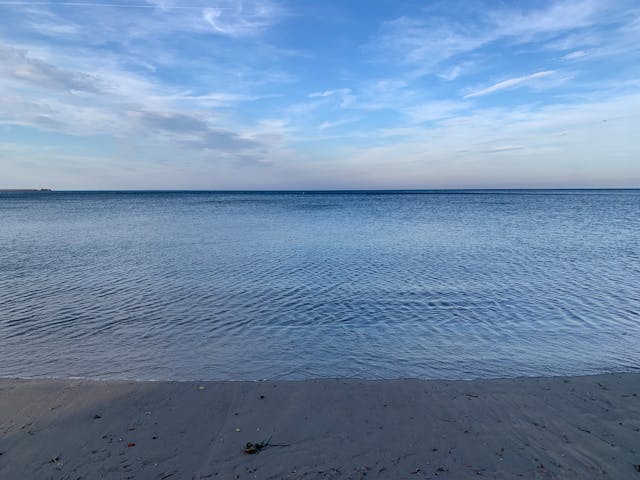
Jávea (also written as Xàbia in Valencian) sits near the top of many shortlists for foreign buyers looking at the Costa Blanca and for good reason. It's not the cheapest option on the coast, and it's not the liveliest, but for a certain type of buyer it genuinely delivers something most Spanish coastal towns don't a sense of real community that doesn't evaporate in October.
If you're weighing up whether Jávea is right for you, this guide covers what life actually looks like here for foreign residents the different parts of town, what prices look like, what draws people in, and what catches some buyers off-guard.
Jávea is nestled between two capes Cabo de la Nau to the south and Cabo de Sant Antoni to the north which gives it a natural shelter that makes the climate noticeably gentler than much of the Costa Blanca. Rainfall is low, summers are warm but rarely oppressive, and winters are mild enough that many residents don't bother heading home.
The town has been attracting foreign residents since the 1960s, and the result is one of the most established expat communities in Spain. Roughly 40% of Jávea's registered population is foreign mostly British, Dutch, German, and Belgian which means you'll find English-speaking doctors, solicitors, dentists, mechanics, and estate agents without much effort. There are international schools within commuting distance, active social clubs, and a weekly market where you're as likely to hear Dutch as Spanish.
It also has something that many coastal towns have traded away: variety. The old town (Casco Antiguo) is genuinely historic, with a Gothic church, local bars, and a market square that belongs to the Spanish residents. The port area (El Puerto) has a proper working harbour alongside restaurants and cafés. And the beach zone (El Arenal) offers a sandy bay with a promenade. These three areas each have a distinct character which means buyers can choose the experience they want rather than settling for one.
El Arenal is where you'll find the main sandy beach, a promenade lined with restaurants and beach bars, and the bulk of holiday apartment stock. It has an active summer season, but it's also where many year-round residents choose to be particularly retirees who want to walk to the sea and have everything on their doorstep. Property here includes apartments, townhouses, and some older villas, and it tends to be priced accordingly given the beachfront convenience.
El Puerto (the port area) has a more local, working feel. The harbour is authentic with fishing boats alongside pleasure craft and the restaurants here are generally better value than those in Arenal. This area appeals to buyers who want to feel connected to the Spanish side of Jávea rather than the expat bubble. It's also where you'll find some of the town's better tapas bars and a slightly quieter pace of life, even in high summer.
The Old Town (Casco Antiguo) sits inland, about two kilometres from the sea. It's where the week-to-week rhythms of Spanish life play out the market, the church, the local shops and bars. Property here tends to be older, often townhouses or converted fincas, and it attracts buyers who want to genuinely integrate rather than recreate a version of home in the sun. It's the quietest of the three areas by a significant margin.
Beyond these central zones, the surrounding hills and urbanisations offer a fourth flavour of Jávea living: detached villas with sea or mountain views, private pools, and a much more spacious feel. Areas like Tosalet, Montgó, and Las Laderas are popular with buyers looking for space and privacy while still being a short drive from all the amenities.
Jávea sits in the upper-mid range of the Costa Blanca market. It is not a budget destination, and it's not trying to be. Current prices (March 2026) generally run from around €2,500 to €5,000 per square metre depending on location and condition, which puts a two-bedroom apartment in El Arenal somewhere in the €250,000–€450,000 range, and a three-bedroom villa with a pool in the hills above €500,000 often considerably more for sea views or a premium urbanisation.
Resale properties tend to offer better value than new-build in Jávea, where supply is constrained by the surrounding natural park and strict planning rules. That protection also means Jávea is unlikely to be overdeveloped a genuine plus for long-term buyers. Prices rose around 12–15% in 2024–2025 across the premium Costa Blanca North market, and while that pace is unlikely to be sustained, the underlying demand from foreign buyers remains strong.
If Jávea feels out of reach, nearby towns like Altea and Calpe offer a similar northern Costa Blanca character at generally lower price points, though each has its own distinct character worth exploring separately.
For a broader look at what the current Spanish market means for buyers, the Spanish Real Estate Market 2026 overview is worth reading before you start negotiating.
One of the most common things people get wrong about Jávea is assuming the summer experience represents the whole picture. It doesn't.
High season (July–August) brings crowds to Arenal, packed restaurants, and some traffic on the main roads. But by September the town settles into a genuinely pleasant rhythm warm weather, fewer people, restaurants with tables available, and a social scene that ticks over through the winter. Most of the expat community stays year-round or returns by October, which keeps the coffee shops, sports clubs, and social events running even through January and February.
Daily practicalities are well covered. There's a modern health centre, a hospital within 30 minutes in Dénia, a Mercadona and Consum for everyday shopping, and a reasonable selection of international supermarkets for familiar imports. The AP-7 motorway provides easy access to Alicante airport (about 90 minutes) and Valencia airport (about 80 minutes), which opens up flight options considerably a real advantage if you're travelling back and forth frequently.
The one honest downside: you need a car. Jávea's three distinct zones are spread out, buses are limited, and many of the residential areas in the hills are only accessible by road. For buyers used to walking to everything, that's an adjustment worth thinking about before you commit.
Jávea's foreign community is large and long-established, which cuts both ways.
The positive side is obvious: you can build a social life quickly, find English-speaking support for everything from legal matters to plumbing, and feel genuinely settled without spending years learning to navigate everything in Spanish. There are active sports clubs, hobby groups, charity organisations, and regular events that make it easy to meet people.
The honest caveat is that some areas of Jávea can feel like an extension of northern Europe rather than Spain. Whether that's a feature or a problem depends entirely on what you're looking for. Buyers who want deep immersion in Spanish daily life may find they need to make a deliberate effort to move beyond the expat social circle particularly in the hillside urbanisations where entire streets might speak mostly English or Dutch.
If integration matters to you, the old town is the right starting point not just for property, but for daily habits. Shopping at local markets, using Spanish-speaking services where possible, and joining Spanish language classes (widely available in Jávea) makes a real difference to how the experience feels.
NIE number and legal representation. Every foreign buyer in Spain needs a Número de Identificación de Extranjero (NIE) before completing a purchase. Getting independent legal representation a solicitor who works for you, not the estate agent is not optional; it's essential. Our expat property buying guide to Spain covers the full process in detail.
Buying costs add up. In the Valencia Region (where Jávea sits), expect to add around 10–13% to the purchase price in taxes and fees including Transfer Tax (ITP) at 10% for resale properties, notary costs, land registry fees, and legal fees. Budget for this from the start.
Mortgages are available to foreign buyers, though typically at lower loan-to-value ratios than you'd get in your home country usually up to 70% for non-residents. Getting a mortgage in Spain as a foreigner has become more straightforward in recent years, but it's worth understanding the landscape before you make an offer.
Rental rules in Valencia. If you plan to rent out your property when you're not using it, be aware that the Valencia Region has tightened its licensing requirements for tourist rentals. Check the current rules and confirm the property you're buying has or can obtain a licence before factoring rental income into your decision.
The Costa Blanca buying guide covers the wider regional picture and is a good companion read if you're still deciding between the north and south of the coast: Buying Property in Costa Blanca.
Jávea suits buyers who want a proper base somewhere to live, not just visit. It rewards those who take the time to explore all three parts of town rather than just booking the nearest apartment to the beach. It works particularly well for retirees, semi-retired couples, and second-home buyers who plan to spend at least a few months a year in Spain rather than a fortnight.
It's less suited to buyers looking for a pure investment play or for the lowest entry price on the coast. And if you want to be walking distance from nightlife or within reach of a major city, the northern Costa Blanca won't be the right match.
But for buyers who want a settled, attractive, well-serviced community with real year-round life and who don't mind paying a fair price for it Jávea is one of the most consistently satisfying places to buy on the Spanish coast.
Browse current properties for sale in Jávea to see what's currently available across the different areas of town.


