

Costa Blanca
VC634226
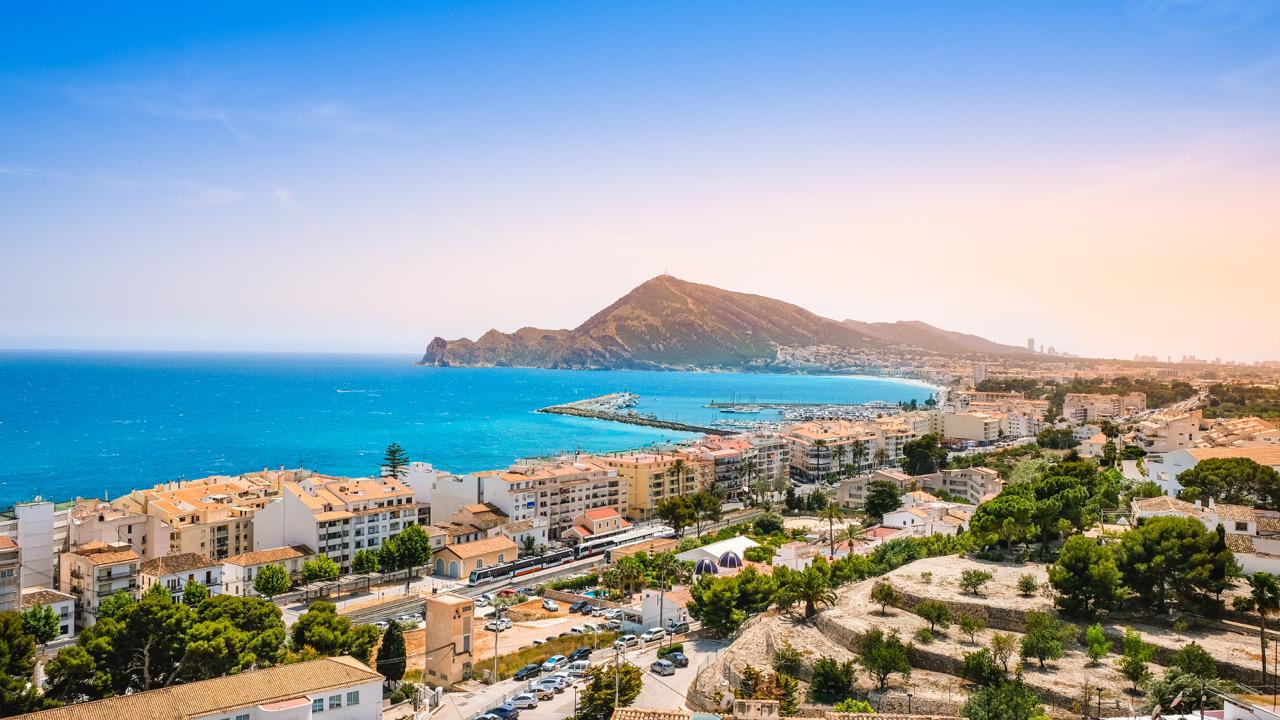
Nestled between the bustling cities of Benidorm and Calpe, the charming coastal town of Altea is a hidden gem along Spain's Costa Blanca. The town's picturesque cobbled streets, breathtaking views, and rich cultural scene make it an idyllic destination for vacationers seeking a more relaxed and authentic experience of Spain.
In this comprehensive guide, we delve into Altea's geography, climate, and history and explore its vibrant local festivals, music, art, and cuisine. We also provide an overview of Altea's beautiful coastline and its best beaches, as well as the numerous outdoor activities, bars, clubs, and entertainment options available.
Altea is located on the eastern coast of Spain, in the province of Alicante in the Valencian Community. The town is approximately 60 kilometers north of Alicante and 135 kilometers south of Valencia. It occupies an area of around 34 square kilometers and is home to over 20,000 residents.
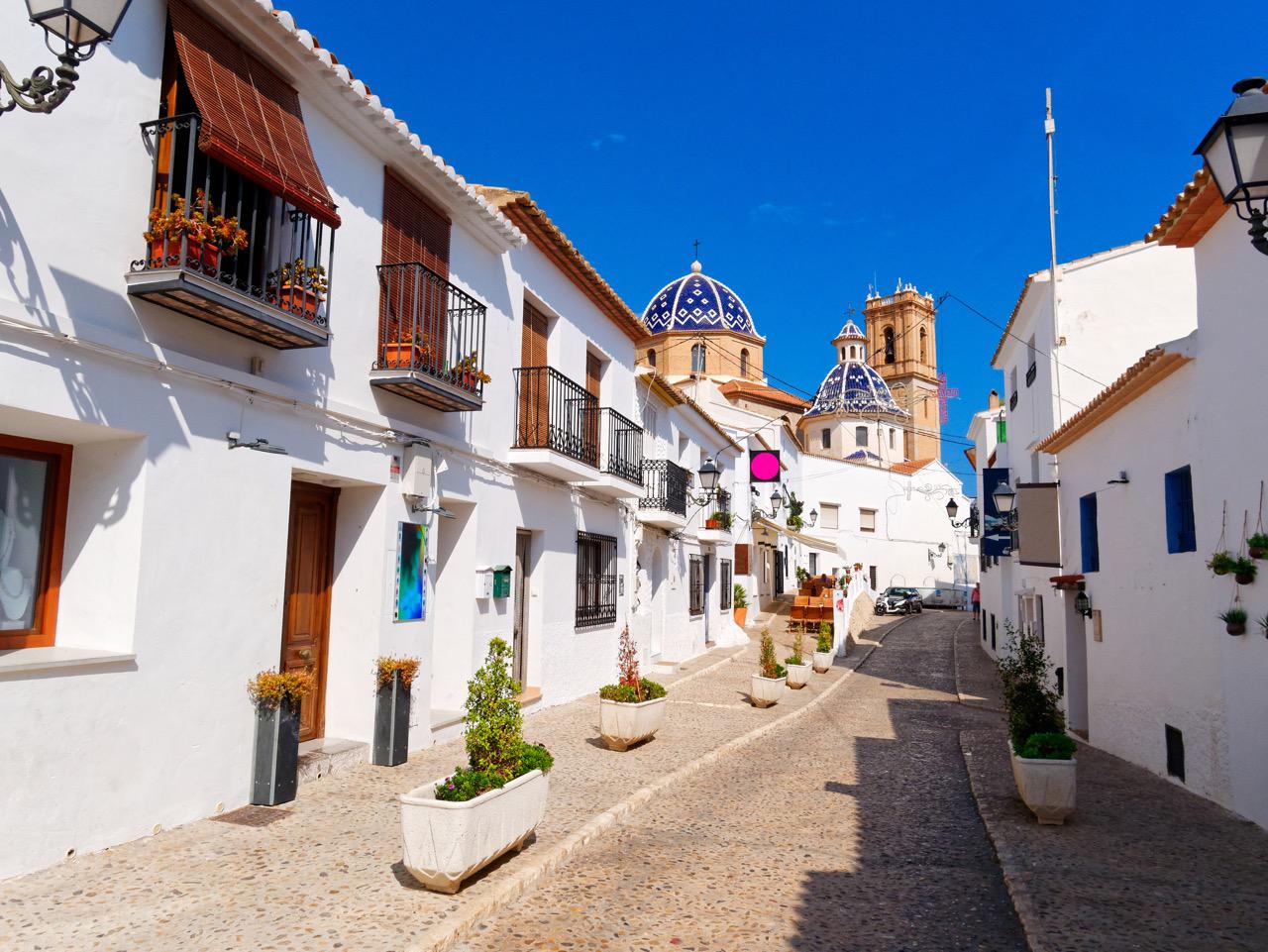
The geography of Altea is defined by the magnificent Sierra de Bernia mountain range to the north and the beautiful Mediterranean Sea to the east. The town is built upon a hill, providing stunning views of the coastline and surrounding countryside. Altea's Old Town (Casco Antiguo) is characterized by its narrow, cobbled streets, whitewashed houses, and the iconic blue-domed church of Nuestra Señora del Consuelo.
Altea enjoys a pleasant Mediterranean climate characterized by hot, dry summers and mild, wet winters. Average temperatures range from 11°C (52°F) in January to 28°C (82°F) in August, with average annual precipitation around 310 millimeters. This climate creates the perfect environment for enjoying Altea's beautiful beaches, lush vegetation, and outdoor activities year-round.
Altea has a rich cultural heritage that is celebrated through various local festivals, music, and art events. Some of the most popular annual festivities include:
The town is also home to several art galleries, studios, and workshops where visitors can admire the work of local and international artists. Altea has been a popular destination for artists and writers since the early 20th century, thanks to its inspiring landscapes and tranquil atmosphere.
Altea boasts a stunning 6-kilometer-long coastline with a diverse range of beaches to suit all tastes. The following are some of the best beaches in Altea:

Altea offers a plethora of outdoor activities to suit all interests, including hiking, biking, and water sports.
Altea's nightlife scene is relatively laid-back compared to its neighboring cities, but the town still offers a wide range of bars, clubs, and entertainment options to cater to all tastes.
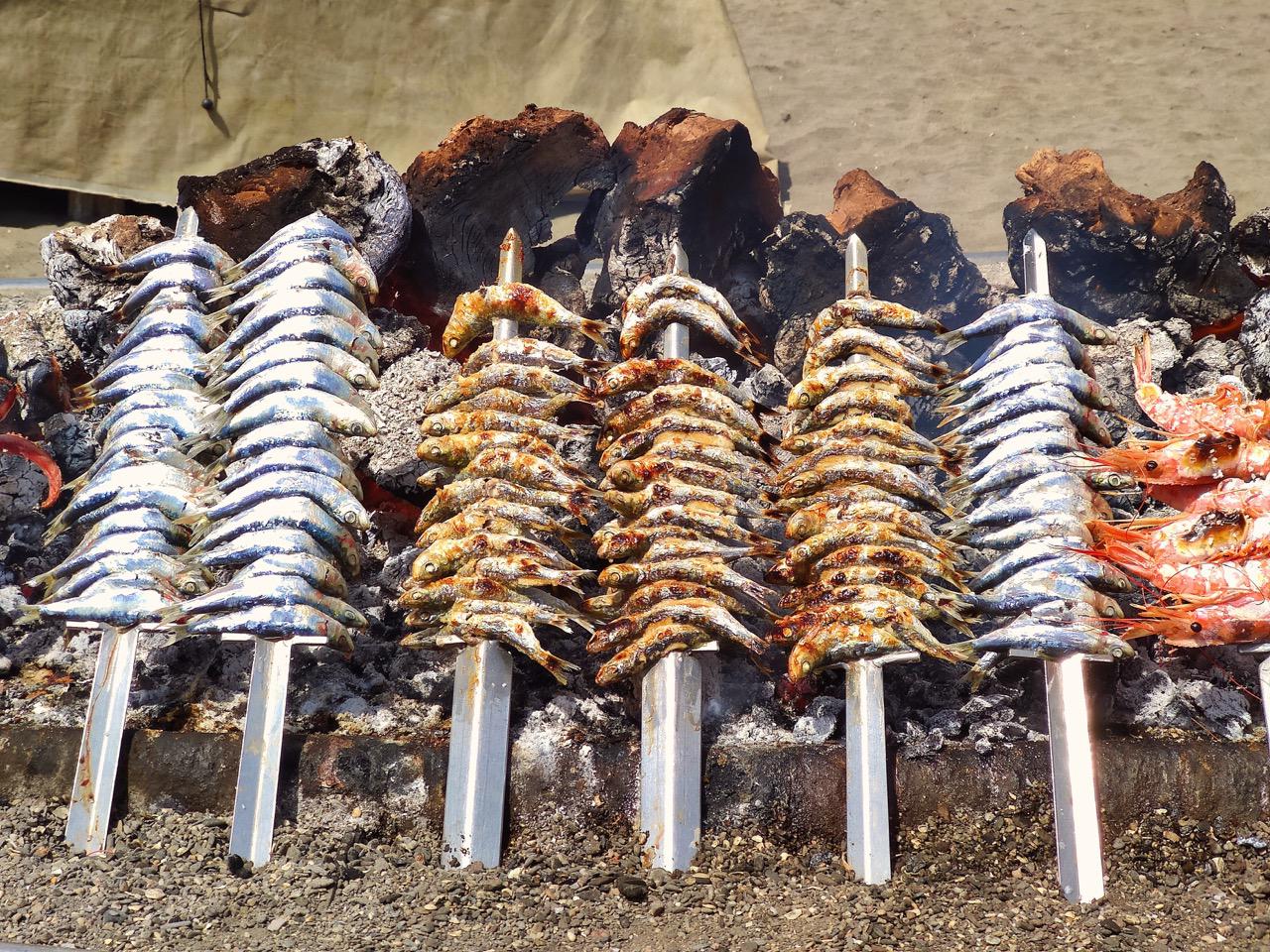
Altea's gastronomy is characterized by its Mediterranean flavors and fresh, locally sourced ingredients. Traditional dishes include "arroz a banda" (rice with fish), "espetos" (grilled fish skewers), and "fideuà" (a noodle-based seafood dish). The town's numerous restaurants and tapas bars offer a range of dining experiences, from fine dining at the Michelin-starred Casa Alfonso to casual tapas at the local market.
Altea's history dates back to prehistoric times, with the presence of Iberian and Roman settlements in the area. The town's strategic coastal location and natural harbor made it an important trading center throughout the centuries. In the 13th century, Altea was conquered by King James I of Aragon, beginning a period of Christian rule. The town experienced significant growth during the 16th and 17th centuries due to its thriving agricultural and fishing industries.
The arrival of the railway in the late 19th century marked the beginning of Altea's transformation into a popular tourist destination. Artists, writers, and intellectuals flocked to the town, attracted by its stunning landscapes and tranquil atmosphere. In recent years, Altea has continued to thrive as a cultural and tourism hub while preserving its rich historical heritage and traditional charm.
---
With its captivating combination of natural beauty, cultural richness, and historical charm, Altea offers an unforgettable experience for all visitors. From its stunning coastline and pristine beaches to its vibrant local festivals and thriving art scene, this picturesque coastal town truly has something for everyone. Adventure enthusiasts will relish the wide array of outdoor activities available, while food lovers can indulge in the delightful local cuisine.
Whether you're seeking a tranquil escape or an immersive cultural experience, Altea promises a memorable vacation on Spain's enchanting Costa Blanca


