
Tenerife
IT41070
For sale in El Durazno, in Puerto de la Cruz, La Señorial Hacienda de San Nicolás de Tolentino, from the XVII century, considered as a monument by the Consejería de Cultura, Deportes, Políticas Sociales y Vivienda.
The main façade of this historic Tenerife mansion is characterised by its sobriety and symmetry, consisting of three large linear windows.
There are large windows with cushioned sills and a Canarian balcony covered with wood over the main entrance of the house.
The former main dwelling has two floors with a hipped roof, and to the rear there is a courtyard-garden, delimited by a set of outbuildings forming a U-shaped plan.
At the back, there is a gallery on straight legs with a simple base.
The interior courtyard, in the shape of an L, porticoed on tea wood pillars and closed with a gallery of sash windows on the first floor, is accessed through a rustic entrance hall with a beach pebble floor, which emphasises the appearance of a rural villa.
Next to the house, there are a multitude of outbuildings that were added over the centuries, including a 19th century wine press.
Its chapel occupies an area of approximately 74m2.
It is characterised by its Mudejar carving and its unique Sevillian brick floor.
The chapel has a rectangular floor plan with a curved tile hipped roof.
The semicircular doorway, the belfry and the stone coat of arms of the Valcárcel family are elements of interest on the façade, within the framework of a simple building, typical of the island´s chapels.
Like any self-respecting stately chapel, the chapel is connected to the house, so that the services can be seen from a large window inside the mansion.
In the centre of the courtyard, among the vegetation, there is a beautiful stone fountain to enjoy.
property with a lot of history and charm.
Suitable for residential, commercial or cultural use.
Wide range of possibilities.
Zu verkaufen in El Durazno, in Puerto de la Cruz, La Señorial Hacienda de San Nicolás de Tolentino, aus dem XVII Jahrhundert, als ein Denkmal von der Consejería de Cultura, Deportes, Políticas Sociales y Vivienda betrachtet.
Die Hauptfassade dieses historischen Herrenhauses auf Teneriffa zeichnet sich durch ihre Nüchternheit und Symmetrie aus und besteht aus drei großen, linearen Fenstern.
Es gibt große Fenster mit gepolsterten Fensterbänken und einen mit Holz verkleideten kanarischen Balkon über dem Haupteingang des Hauses.
Das ehemalige Haupthaus hat zwei Stockwerke mit einem Walmdach, und auf der Rückseite befindet sich ein Hofgarten, der von einer Reihe von Nebengebäuden in U-Form begrenzt wird.
Auf der Rückseite befindet sich eine Galerie auf geraden Beinen mit einem einfachen Sockel.
In den L-förmigen Innenhof, der auf Pfeilern aus Teeholz ruht und im ersten Stock mit einer Galerie aus Sprossenfenstern abgeschlossen ist, gelangt man über einen rustikalen Flur mit einem Boden aus Strandkieseln, der den dörflichen Charakter des Hauses unterstreicht.
Neben dem Haus gibt es eine Vielzahl von Nebengebäuden, die im Laufe der Jahrhunderte hinzugefügt wurden, darunter eine Weinpresse aus dem 19.
Die Kapelle nimmt eine Fläche von etwa 74 m2 ein.
Sie zeichnet sich durch ihre Mudéjar-Schnitzereien und ihren einzigartigen sevillanischen Ziegelboden aus.
Die Kapelle hat einen rechteckigen Grundriss mit einem geschwungenen Ziegelwalmdach.
Das halbrunde Portal, der Glockenturm und das steinerne Wappen der Familie Valcárcel sind interessante Elemente an der Fassade im Rahmen eines einfachen Gebäudes, das typisch für die Kapellen der Insel ist.
Wie jede anständige Kapelle ist die Kapelle mit dem Haus verbunden, so dass die Gottesdienste von einem großen Fenster im Inneren des Herrenhauses aus beobachtet werden können.
In der Mitte des Hofes, inmitten der Vegetation, befindet sich ein schöner Steinbrunnen.
Ein Anwesen mit viel Geschichte und Charme.
Geeignet für Wohnzwecke, kommerzielle oder kulturelle Nutzung.
Vielfältige Möglichkeiten.
Se vende en el Durazno, en el Puerto de la Cruz, La Señorial Hacienda de San Nicolás de Tolentino, del siglo XVII, considerada como un monumento por la Consejería de Cultura, Deportes, Políticas Sociales y Vivienda.
La fachada principal de esta histórica mansión de Tenerife se caracteriza por su sobriedad y simetría, estando compuesta de tres grandes ventanales linealmente.
Cristaleras con alféizares de cojinetes y un balcón canario cubierto de madera sobre la portada principal de la casa.
La antigua vivienda principal se articula en dos plantas con cubierta a cuatro aguas, hacia la parte posterior se divisa un patio-huerta, delimitado por un conjunto de dependencias anexas formando una planta en U.
En la parte posterior se observa una galería sobre pies derechos de basa sencilla.
Al patio interior, en forma de L, porticado sobre pilares de madera de tea y cerrado con galería de ventanas de guillotina en la segunda planta, se accede a través de un zaguán rústico de suelo de cantos rodados de playa, que destaca ese aspecto de villa rural.
Junto a la casa, se encuentran multitud de dependencias anexas que se fueron añadiendo con los siglos y entre los que destaca un lagar del siglo XIX.
Su capilla ocupa una superficie de aproximadamente 74m2.
Se caracteriza por su labrado mudéjar y por su singular piso de ladrillo sevillano.
La ermita ofrece una planta rectangular con cubierta a cuatro aguas de teja curva.
La portada de medio punto, la espadaña y el escudo de armas pétreo de la familia Valcárcel constituyen elementos de interés en la fachada, en el marco de una edificación sencilla, típico en las ermitas de la isla.
Como toda capilla señorial que se precie, la ermita está comunicada con la casa, para presenciar los oficios desde un ventanal interior de la mansión.
En el centro del patio, entre la vegetación, se encuentra una bonita fuente de piedra para disfrute.
propiedad con mucha historia y encanto.
Apta para uso residencial, comercial o cultural.
Amplio abanico de posibilidades.

Thinking about buying property in Tenerife? Explore the best golf areas, lifestyle benefits, expat communities, and what...
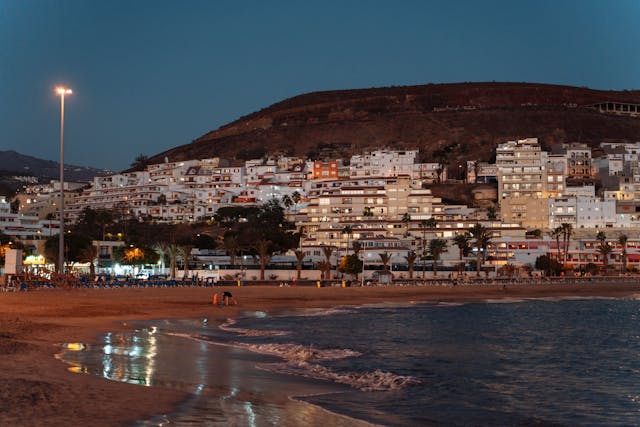
Thinking about buying property in Los Cristianos, Tenerife? A calm, practical guide for second-home buyers, retirees, di...
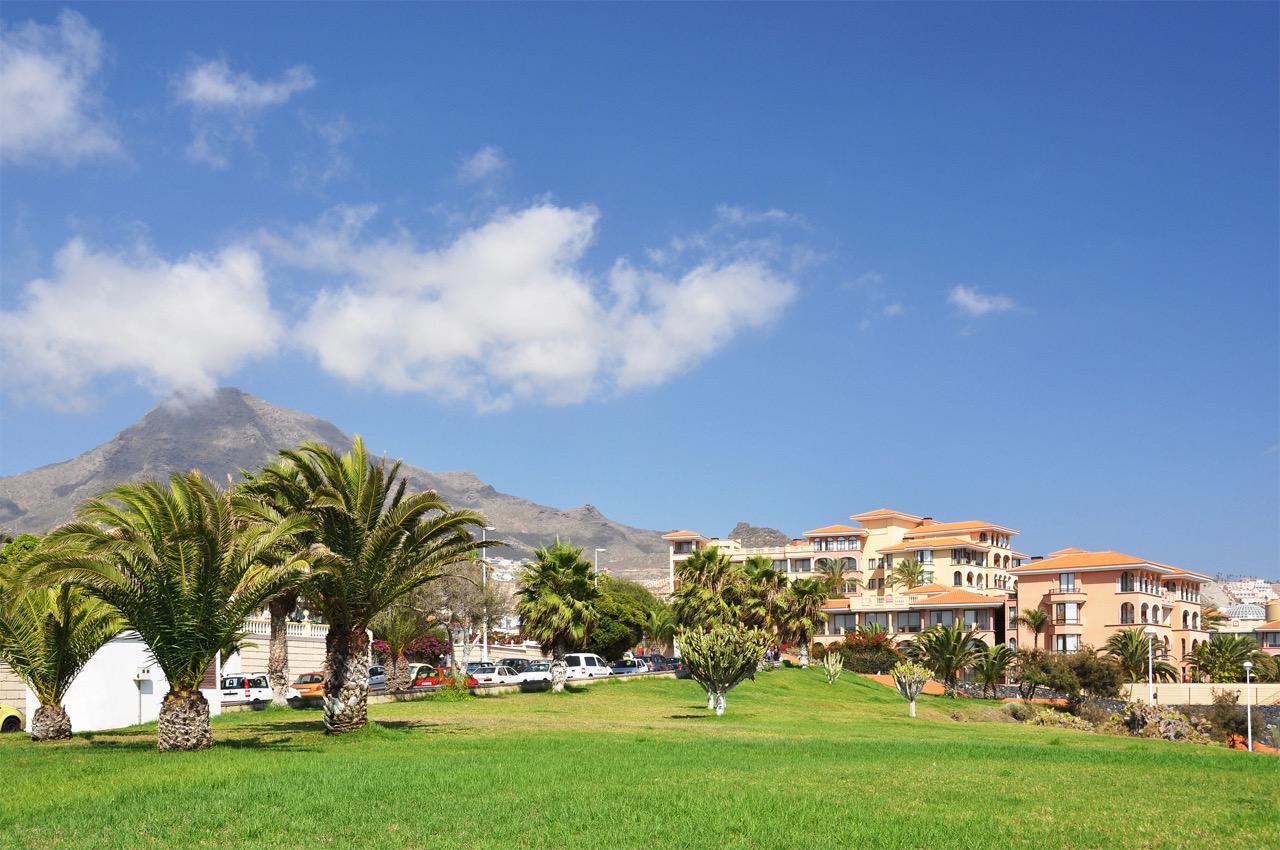
Embark on a journey to Adeje, Tenerife, and uncover the perfect blend of natural beauty, cultural richness, and vibrant ...