

Costa Blanca
VC634226
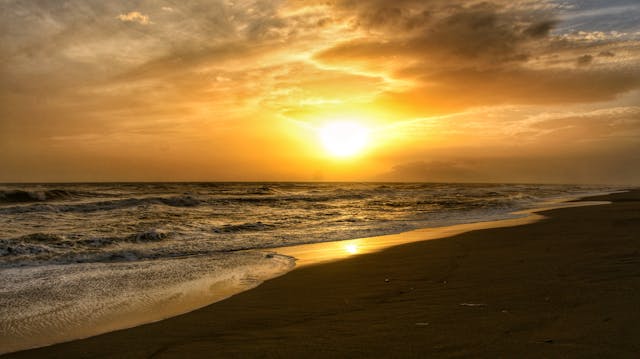
For many international buyers, Torre de la Horadada sits in that interesting space between “holiday resort” and “real Spanish coastal town.” It is often discovered while exploring the southern Costa Blanca, yet it feels quieter and more grounded than some of its better known neighbours.
If you are considering retiring to Spain, spending extended winters by the sea, or buying a second home that feels liveable year round, this small coastal town deserves closer attention.
This guide walks through what daily life in Torre de la Horadada actually looks like as a foreign resident, from winter atmosphere and walkability to the expat presence and practical realities of settling in.
Torre de la Horadada is located at the southern tip of the Costa Blanca, just north of the Murcia border. It belongs to the municipality of Pilar de la Horadada.
It is roughly:
45 minutes from Alicante Airport
Around 30 minutes from Murcia International Airport
A short drive from larger coastal hubs such as Orihuela Costa and San Pedro del Pinatar
Its position gives it a slightly calmer character than some areas further north. It feels less commercial and more residential, particularly outside peak summer.
One of the defining characteristics of Torre de la Horadada is that it remains a functioning Spanish town, not just a seasonal resort.
You will find:
Local bakeries and small supermarkets
Family run restaurants open most of the year
Weekly markets in the surrounding municipality
Spanish families living here permanently
In summer, the population increases significantly. In winter, it becomes noticeably quieter, yet not empty. This balance is often attractive to retirees who want activity without constant tourism.
For many foreign buyers, especially retirees, the key question is simple: does Torre de la Horadada still feel alive in winter?
The answer is generally yes, with nuance.
Most essential services remain available:
Supermarkets
Pharmacies
Cafes and restaurants in the town centre
Health centres in Pilar de la Horadada
The beachfront promenade is used daily by walkers, cyclists, and dog owners even in January. Winter temperatures are typically mild compared to northern Europe, often allowing outdoor lunches and regular walks.
Beach bars and some seasonal restaurants close.
The pace slows considerably.
Evenings are quieter.
For many retirees, this slower rhythm is not a drawback. It often feels calmer and more authentic.
Torre de la Horadada scores well for walkability, particularly in the central and beachfront areas.
From many residential areas you can walk to:
The beach
Restaurants and cafes
Small grocery stores
The marina and promenade
Sidewalks are generally good, and the terrain is mostly flat. This is important for retirees who prefer to avoid hills or long distances.
Public transport is available but limited compared to larger cities.
Buses connect to Pilar de la Horadada and nearby towns.
For frequent airport transfers, many residents rely on private transfers or a car.
Having a car offers flexibility, especially for medical appointments or larger shopping trips.
Some residents manage comfortably without one, particularly if they live centrally. Others prefer the convenience of driving.
Torre de la Horadada has a noticeable but not overwhelming international presence.
You will find:
British, Irish, Belgian, Dutch, Scandinavian, and German residents
International social groups and informal meetups
English spoken in many restaurants and service businesses
However, it does not feel like an exclusively expat enclave.
Spanish remains the dominant language, especially in winter. For some retirees, this is a positive, as it encourages integration and language learning. For others, it may require an adjustment period.
In general, the atmosphere is mixed rather than segregated. Foreign residents live alongside Spanish families rather than in completely separate zones.
The beaches are one of Torre de la Horadada’s strongest assets.
The coastline here is known for:
Clean sandy beaches
Small coves with clear water
A well maintained promenade
Calm waters suitable for swimming
Outdoor life is central to the lifestyle. Even in winter, residents walk along the seafront, sit on benches in the sun, and meet friends in open terraces.
For retirees, this daily access to the sea often becomes part of the routine rather than an occasional treat.
Healthcare access is a key consideration for foreign retirees.
Pilar de la Horadada has local health centres.
Larger hospitals are within driving distance in Torrevieja and Murcia.
Private healthcare options are widely used by international residents.
Registration processes, residency rules, and healthcare access vary depending on nationality and personal circumstances. Many foreign residents work with local advisors to handle paperwork.
While Torre de la Horadada is comfortable for long term living, it is not a large city with major administrative infrastructure. Expect a small town experience rather than metropolitan services.
Although retirees are a major demographic, families also live here permanently.
Positives for families:
Safe environment
Walkable beach access
Local schools in the municipality
Community atmosphere
However:
International school options are not directly in the town.
Teenagers may find the area quiet outside summer.
For second home buyers with children, it often works well as a relaxed coastal base.
While this guide focuses on lifestyle rather than prices, it helps to understand the general housing landscape.
In Torre de la Horadada, you will typically see:
Modern apartments close to the beach
Townhouses in established residential areas
Detached villas slightly further inland
New developments alongside older Spanish properties
Some properties are designed clearly for holiday use. Others are built with year round living in mind, including better insulation and larger layouts.
Exploring current listings can give you a feel for what is available right now and how styles vary between areas.
Based on common patterns, Torre de la Horadada tends to suit:
Retirees seeking mild winters and a calm rhythm
Second home owners who want a manageable, walkable base
Couples who prefer a smaller coastal town over a busy resort
Buyers who value beach access over nightlife
It may be less suited to:
Those seeking vibrant city culture
Buyers who want extensive public transport networks
Investors focused purely on high rental turnover
Living in Torre de la Horadada as a foreigner can feel balanced and manageable. It offers coastal beauty, a mixed community, and winter livability without the intensity of larger resort towns.
It is not flashy. It is not fast paced. It is steady, walkable, and close to the sea.
For many retirees and second home buyers, that combination is precisely the appeal.
If you are still exploring options along the Costa Blanca, you may also want to compare nearby coastal towns to see how atmosphere, infrastructure, and community feel differ.
And when you are ready, browsing current properties in Torre de la Horadada can help you move from imagining daily life here to seeing what it might realistically look like for you.


