Costa Blanca
TC73452

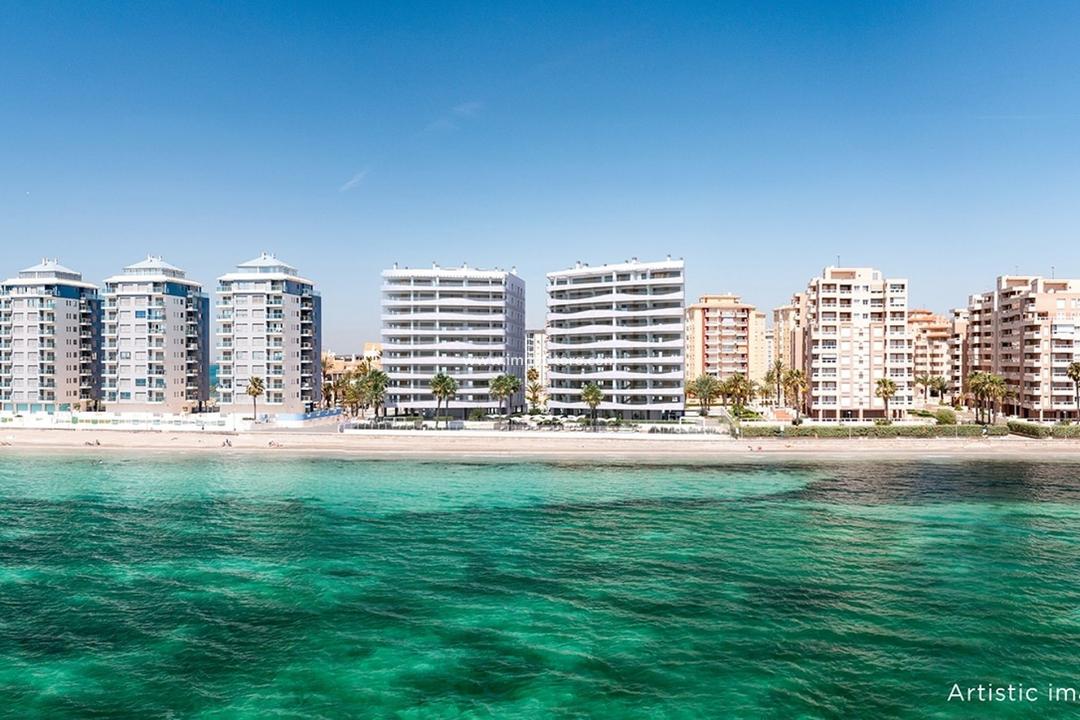
There are very few places in Europe quite like La Manga del Mar Menor. A narrow strip of land — in places no wider than a few hundred metres — stretching some 24 kilometres along the southeastern coast of Murcia, it separates the warm, shallow waters of the Mar Menor lagoon from the open Mediterranean Sea. That geography alone makes it unlike anywhere else in Spain.
For decades, La Manga has drawn visitors from across Europe, and a significant number of them have eventually decided to stop visiting and start living. Whether you're considering a holiday home, a retirement base, or a place for the family to gather each summer, it's worth understanding what life here actually looks and feels like before you start browsing property listings.
La Manga del Mar Menor occupies a very specific niche. It is not a city, not a village, and not a traditional Spanish town in the way that nearby Cartagena or Murcia are. It is essentially a long, narrow resort strip — dense with apartments, urbanisations, and holiday infrastructure — that transforms dramatically between seasons.
In July and August, it is one of the busiest resort areas in southeastern Spain, popular with Spanish domestic tourists as much as international visitors. Outside of those peak months, and particularly from October through May, it becomes significantly quieter. Some businesses close seasonally, the roads empty out, and the atmosphere shifts to something far more relaxed and residential.
This seasonal rhythm is one of the first things to understand about La Manga. For some buyers, particularly retirees and those seeking peaceful year-round living, the quieter months are precisely the appeal. For others — families, for instance, who plan to use the property mainly during school holidays — the summer energy is part of what they are paying for.
Neither approach is wrong, but your expectations should match the reality of the place you choose.
The Mar Menor is the largest saltwater lagoon in Europe, covering around 135 square kilometres. Its waters are notably shallow — rarely exceeding seven metres in depth — and because of this, they warm up considerably faster than the open Mediterranean. By early summer, sea temperatures in the lagoon can reach 28 to 30 degrees Celsius.
For families with young children, this is a significant practical advantage. The calm, warm, shallow waters make the lagoon side of La Manga exceptionally safe and comfortable for swimming. It is a very different experience from the open-sea beaches on the Mediterranean side, which are wider, more exposed, and better suited to those who prefer a more traditional beach environment.
Property buyers with families frequently cite the lagoon as a deciding factor. Having two entirely different water environments within a short walk of each other is something genuinely rare in European coastal property.
For golf buyers, La Manga needs very little introduction. The La Manga Club resort — set in the hills above the strip in the municipality of Cartagena — is one of the most well-established golf resorts in Spain, operating since the early 1970s and home to three 18-hole courses.
Beyond La Manga Club itself, the broader Murcia region has developed into a serious golf destination over the past two decades. Courses such as Hacienda del Álamo, Altorreal, and Roda Golf are all within a reasonable drive, giving golf buyers access to a wider circuit of courses without the need to travel far.
What distinguishes La Manga Club from many other golf resorts in Spain is the breadth of its facilities. Tennis, spa, hotels, restaurants, and a strong community of year-round residents mean that the lifestyle extends well beyond the fairways. Many buyers — particularly those coming from the UK, Scandinavia, and Germany — purchase specifically within or close to La Manga Club for this reason.
It is worth noting that properties within the La Manga Club resort and those on the strip itself are quite different in character. The resort sits in a quieter, more elevated inland setting with a more manicured, controlled environment. The strip is coastal, denser, and more varied. Both attract golf buyers, but often with different expectations.
La Manga and the surrounding Costa Cálida have a well-established international community, with buyers and residents from the United Kingdom historically making up the largest non-Spanish group. Scandinavian buyers — particularly from Sweden and Norway — are also well represented, as are buyers from Germany, Belgium, and the Netherlands.
This international presence means that English is widely spoken in estate agents, local businesses, and service industries catering to the property market. For buyers who are not yet fluent in Spanish, the practical experience of living or spending extended time in La Manga is generally manageable from day one, though learning at least basic Spanish adds considerably to the quality of daily life and community integration.
There are established expat social networks, sports clubs, and community organisations in the area, which can be particularly valuable for retirees arriving without an existing social circle. The sense of being part of a community that has made the same transition you are considering can make the adjustment to Spanish life considerably easier.
That said, La Manga is not an expat bubble in the way some coastal areas of Spain can feel. Spanish families and domestic tourists form a significant part of the local character, particularly in summer, and the cultural identity of the area is genuinely mixed rather than overwhelmingly foreign.
The Murcia region consistently records some of the highest sunshine hours in mainland Europe — in the range of 3,000 hours per year. Winters are mild by northern European standards, with daytime temperatures typically ranging from 14 to 18 degrees Celsius between December and February. Snow is essentially unknown on the coast.
This makes La Manga a genuinely viable year-round destination rather than a purely seasonal one. Retirees in particular often find that the mild winters allow them to maintain an active outdoor lifestyle — walking, cycling, golf, and time on the water — throughout the year in a way that would be impossible in northern Europe.
Summer temperatures regularly exceed 35 degrees Celsius in July and August, which some buyers find uncomfortable for extended periods. The lagoon side of the strip can feel particularly humid in peak summer. Many long-term residents adapt their routines accordingly — early mornings and evenings outdoors, quieter afternoons indoors — in the same way that Spaniards have always managed the summer heat.
Spring and autumn are widely considered the best seasons for outdoor activity and comfortable daily life. October, in particular, often brings warm, settled weather alongside significantly reduced crowds — a combination that appeals strongly to retirees and second-home buyers who have flexibility in when they travel.
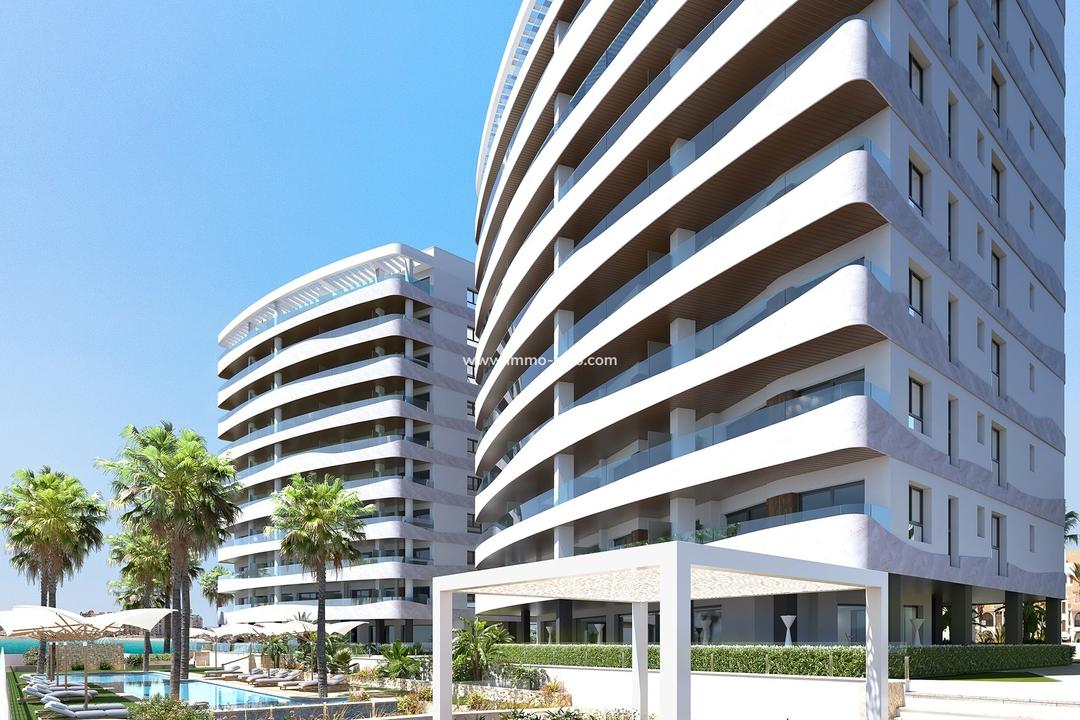
La Manga's property market is dominated by apartments and townhouses within urbanisations, reflecting the density of the strip itself. Large detached villas on the strip are relatively rare given the geography. Within La Manga Club and nearby developments, detached villas and larger townhouses are more common.
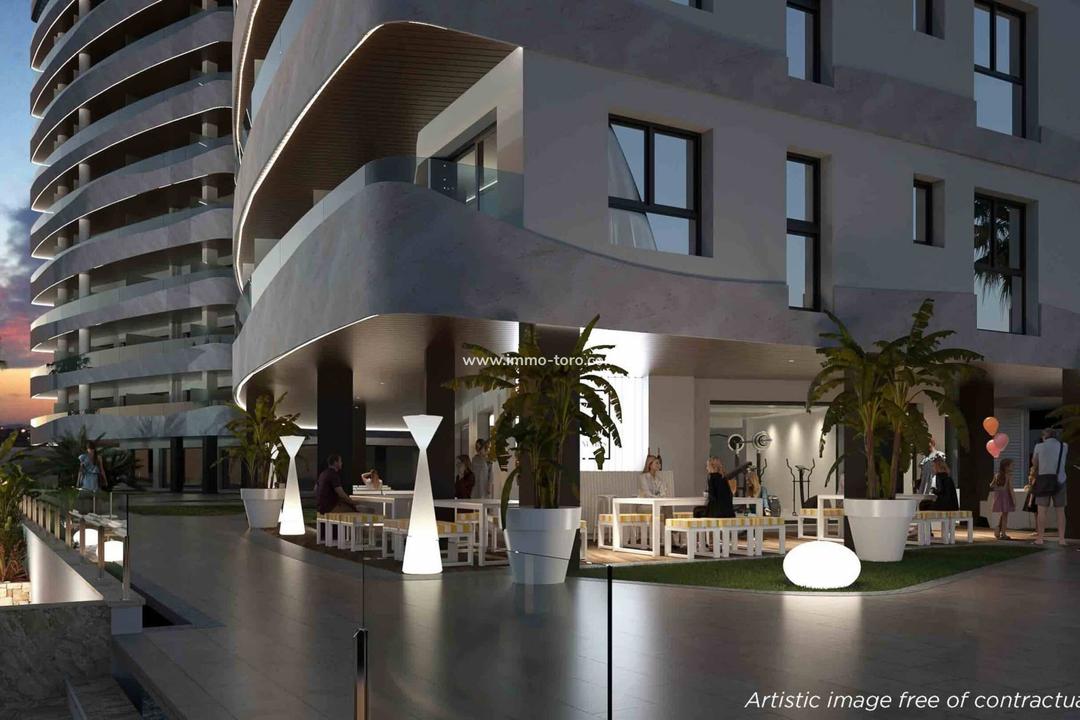
The market is broadly split between older resale properties — many built during the 1970s and 1980s boom years — and more modern developments and renovated apartments. Both have their place depending on budget, intended use, and buyer preference. Older properties often offer larger floor plans and established gardens at more accessible price points. Newer or recently renovated properties typically offer contemporary finishes, better energy efficiency, and more modern communal facilities.
Proximity to the lagoon versus the Mediterranean side does influence pricing and character. Lagoon-side properties are generally calmer, better suited to families and retirees, and popular for year-round use. Mediterranean-side properties tend to attract buyers who prioritise open sea views and beach access.
The wider Costa Cálida — including areas such as Los Alcázares, Santiago de la Ribera, and Cabo de Palos — offers further options for buyers who want to be close to La Manga without being on the strip itself. These areas can offer a more village-like atmosphere alongside proximity to the lagoon.
Getting around La Manga itself is straightforward — the strip is well served by a road running its length, and most daily needs can be met within a short distance. For larger shopping, healthcare, and urban amenities, the city of Cartagena is approximately 40 kilometres away and offers a full range of services. Murcia city is around 70 kilometres.
Murcia International Airport (now officially the Región de Murcia International Airport, located near Corvera) handles flights from multiple European destinations, with connections improving over time. Alicante Airport is also within approximately 90 minutes' drive and offers a broader range of international routes.
Community fees apply to most apartment and urbanisation properties in Spain and cover maintenance of shared areas, pools, and gardens. These vary considerably by development and are worth understanding clearly before purchase.
The buying process in Spain involves costs beyond the purchase price — typically in the range of 10 to 13 percent of the purchase price when taxes, notary fees, and legal costs are included. Engaging an independent Spanish lawyer (separate from the selling agent) is standard practice among experienced buyers and is strongly recommended.
La Manga del Mar Menor is a genuinely distinctive place, and it suits certain buyers very well. If you are drawn to warm, reliable sunshine, easy access to water on two very different shorelines, one of Spain's best-known golf destinations, and an established international community, it ticks a considerable number of boxes.
It is perhaps less suited to buyers seeking a deeply traditional Spanish village atmosphere, a city environment, or dramatic mountain landscapes. Spain offers all of those things, but elsewhere.
The honest answer, as with most property decisions, is that visiting in different seasons — ideally both summer and late autumn or winter — gives you a far more complete picture than any guide can. La Manga in August and La Manga in November are genuinely different experiences, and knowing which version of the place you are buying into matters.
For those who have already visited and felt something pull them back, that instinct is usually worth exploring further.
If La Manga del Mar Menor is on your radar, browsing current property listings is a natural next step — not to make decisions, but to start building a feel for what is available, what different areas of the strip look like in practice, and what your budget might realistically reach.
Take your time. The right property in the right location tends to become clearer the more you look.
Explore properties in La Manga del Mar Menor and the wider Costa Cálida, or browse related guides to help you research life in southeastern Spain.